Concrete Contractor in Drayton, ON
Send a Request
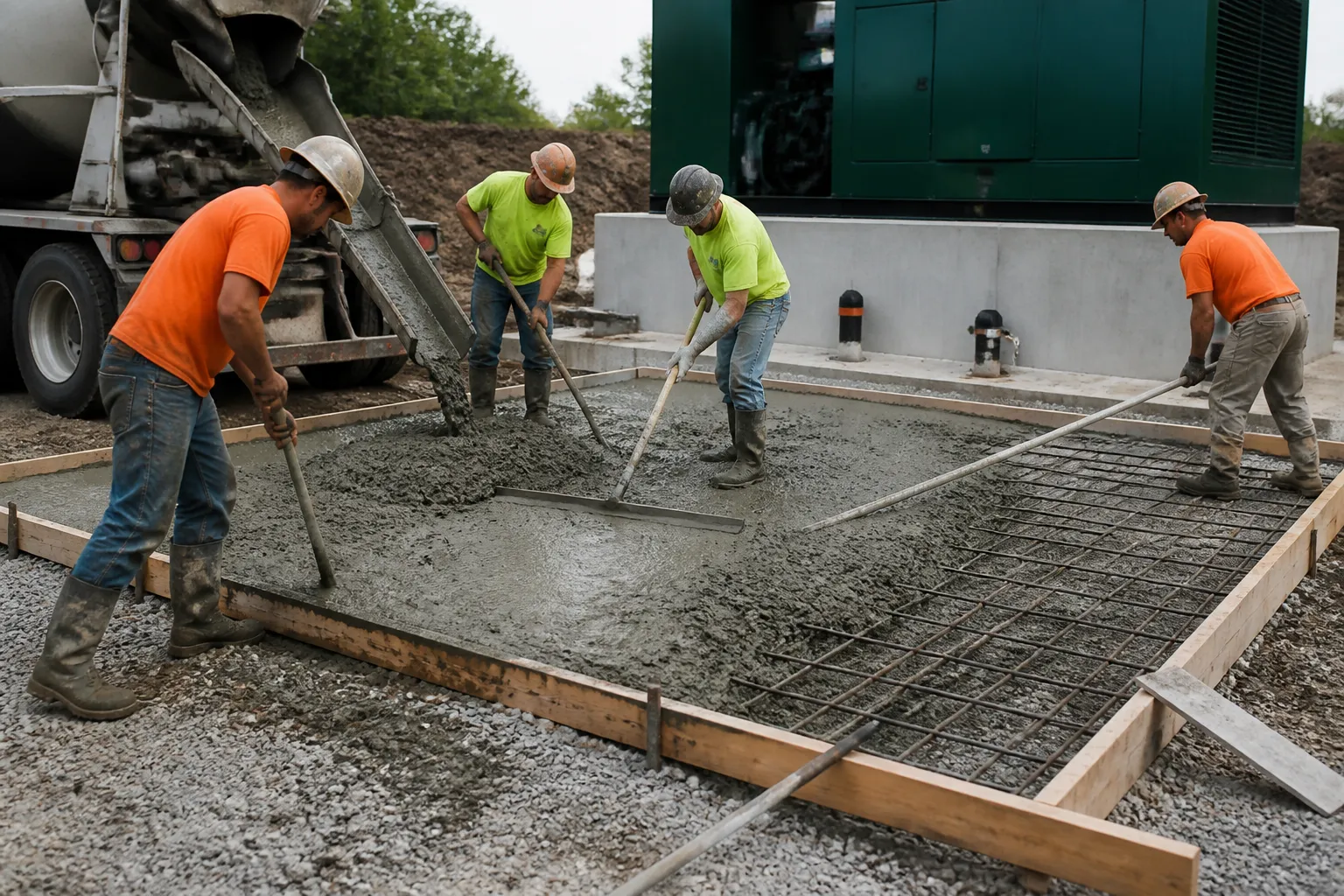
Drayton is a community in the township of Mapleton, Wellington County, at the corner of Wellington Road 8 and Wellington Road 11. Guelph Concrete Contractor helps Drayton property owners with driveways, patios, slabs, walkways and concrete repairs.
Drayton sits northwest of Fergus and southwest of Arthur, so many properties have room for larger pours such as shop floors, farm pads and long driveways. We plan the base and joints for the size of the job.
When concrete is being added, restored, or removed, the details matter. The right finish, thickness, layout, and repair approach all depend on how the surface will be used. We work with Drayton property owners on projects that call for lasting structure and a clean result.
Guelph Concrete Contractor takes on both smaller residential improvements and larger site needs. If you need a new slab, a repaired surface, or a section cut out and replaced, we can review the job and move it forward with a plan that fits the property.
Drayton properties can call for different concrete solutions depending on the age of the structure, the way the space is used, and how much load the surface needs to support. A residential driveway has different needs than a pad for equipment or a floor for an outbuilding, and the approach should match the job.
We help owners in Drayton, ON think through the condition of the existing concrete and the purpose of the new work before anything starts. That may mean repairing a section, improving a surface finish, replacing damaged material, or preparing for a new pour that needs to perform well over time.
Repair may be the right option when the concrete is still structurally useful but has visible damage, uneven areas, or wear that affects how it functions. In some cases, a repair is enough to extend the life of the surface. In others, removal and replacement is the more practical choice.
Concrete work starts with a conversation about the site and the result you want. We look at the condition of the existing area, the intended use, and whether the job calls for repair, removal, or a new installation.
This process keeps the project practical for homeowners, businesses, and property owners who want clear communication and a straightforward path from start to finish.
Some calls are for a driveway or patio. Others are for floors, pads, or foundation-related work. We handle both residential and commercial concrete needs, so Drayton clients can use one source for a range of project types.
For homes, common requests include driveway replacement, patio installation, concrete repair, and sealing. These projects often focus on making the property more usable while keeping the surface clean and durable.
For commercial properties, the work may involve floors, pads, foundations, or other concrete features that need to support daily use. We aim to complete the work with a practical layout and dependable finish.
On a bigger rural or village lot, the base under the concrete matters as much as the concrete. Soft spots, buried roots and poor drainage cause cracking later. We check how water leaves the site, compact a proper gravel base, and place control joints so shrinkage cracks form where they will not show. For long driveways, we also talk through where snow will be pushed so edges are not damaged by plows.
A standard residential driveway is thinner than one built for heavy loads. If you park trucks or trailers, tell us and we will plan thickness and base for that weight.
Yes. A compacted gravel base and, in most cases, a moisture barrier help prevent settling and damp floors.
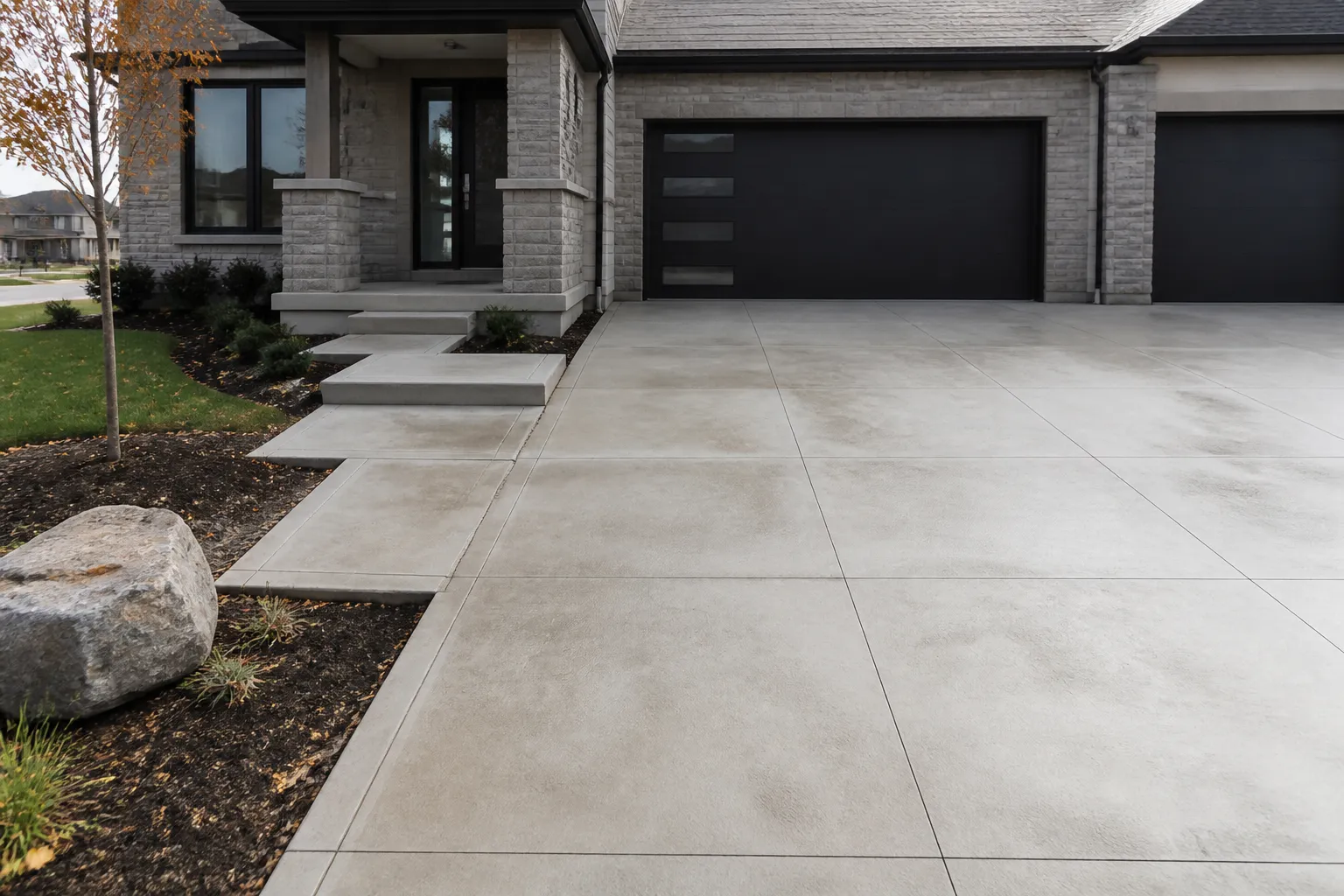
They are control joints. They give the slab a planned place to crack as it shrinks.
Get an Estimate
Call us or fill out the form to get an estimate for your concrete project.